The Lodgings (1963)
a northern summer
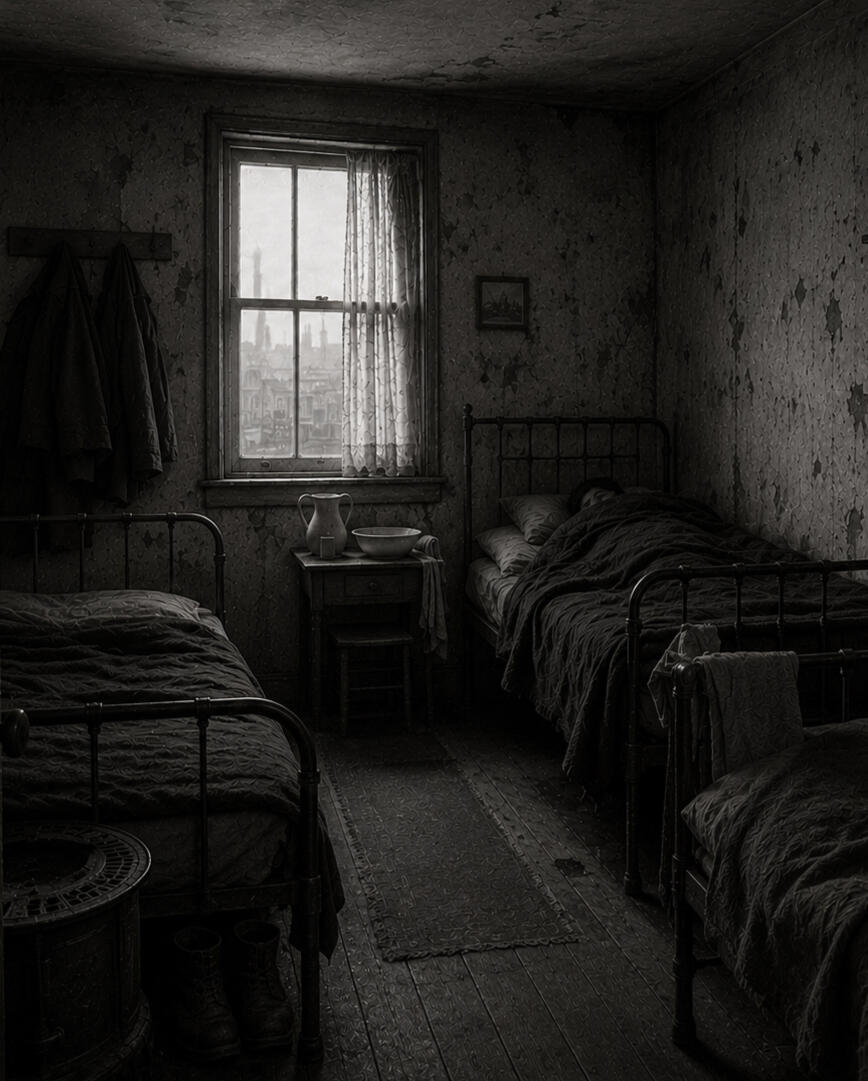
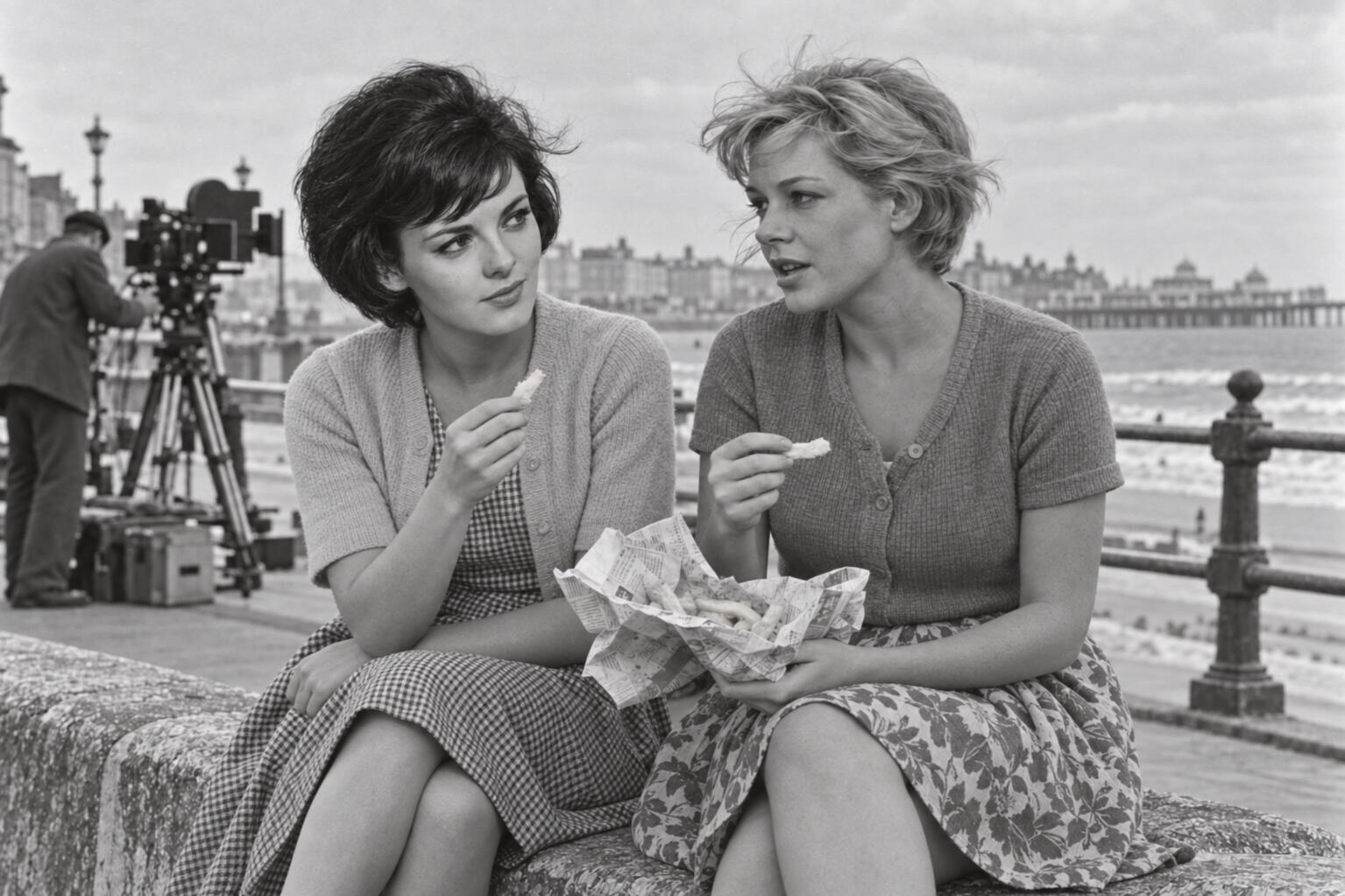
Released in 1963, The Lodgings took Crimea Street Films away from its familiar industrial settings and into the crowded summer streets of Blackpool. Filmed during the height of the season, it contrasted the town seen by holidaymakers with the kitchens, backstage corridors and cramped rented rooms occupied by those who worked there.The story follows Betty Gray, a waitress sharing inexpensive lodgings with Deborah McGinn, a dresser at one of the summer shows. After meeting Peter Langley, a young visitor staying at the hotel where she works, Betty allows him to believe that she too is on holiday. Wearing clothes borrowed from Deborah, she begins spending her evenings with Peter in ballrooms, cafés and along the illuminated promenade before returning each night to the room she has carefully avoided mentioning.Although presented as a summer romance, The Lodgings was more interested in the distance between those visiting Blackpool and those employed to entertain them. Betty’s deception places an increasing strain on her friendship with Deborah, whose own experience of seasonal work has left her far less persuaded by the promises made beneath the resort’s lights.
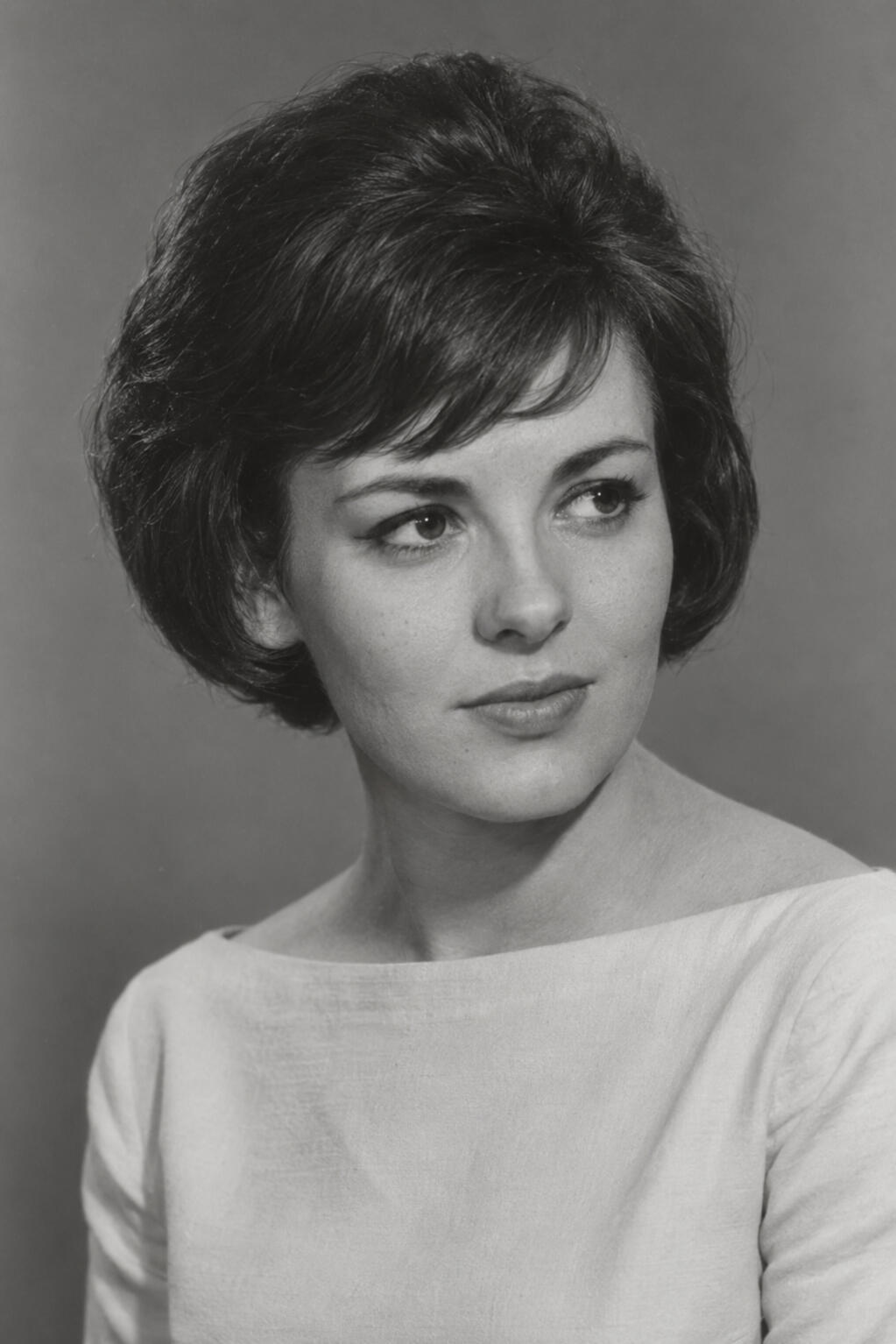
Carol Lonsdale (1938–2017)Carol Lonsdale was born in Preston in 1938, the daughter of a bus conductor and a wages clerk. She first visited Blackpool as a child and returned at seventeen to work as a dancer in a summer revue. Further seasonal engagements followed, although she later admitted that her duties often extended beyond performing to selling programmes, mending costumes and helping to clean the theatre between shows.Lonsdale had no formal dramatic training. Her first acting roles came through the concert-party circuit, where performers were frequently expected to appear in sketches as well as musical numbers. A small part in a touring comedy led to more substantial work with theatre companies in Lancaster and Manchester.Her screen career began with television advertisements and minor roles in regional drama. Directors initially regarded her as a light performer, but her ability to suggest disappointment beneath an outwardly cheerful manner gradually brought her more demanding parts.Lonsdale joined Crimea Street Films in 1963 to play Betty Gray in The Lodgings. Her own experience of Blackpool’s summer seasons was an important factor in her casting. She understood the long hours, shared rooms and uncertain employment behind the resort’s public image and objected whenever the screenplay made Betty’s working life appear too comfortable.The production gave Lonsdale her first leading film role. Critics generally responded well to her performance, particularly the ease with which Betty appeared to belong to two different versions of Blackpool. She was convincing both as the hotel waitress moving unnoticed among holidaymakers and as the confident young woman she became after work.Despite the attention she received for The Lodgings, substantial film roles did not follow. Lonsdale continued acting throughout the 1960s, appearing in television dramas, light entertainment and occasional touring productions. In 1972, she accepted a temporary position assisting a casting department at a regional television company and soon discovered that she preferred finding performers to competing for parts herself.She subsequently became a respected casting director and remained in television until her retirement in 1998. Former colleagues remembered her particular interest in performers without formal training, whom she believed were too easily overlooked in favour of more polished applicants.Lonsdale lived for many years in Lytham with her partner, costume designer Ruth Bell. She died in 2017 at the age of seventy-nine. Although The Lodgings remained her only leading film performance, her influence continued through the many northern actors whose early television opportunities she helped to secure.
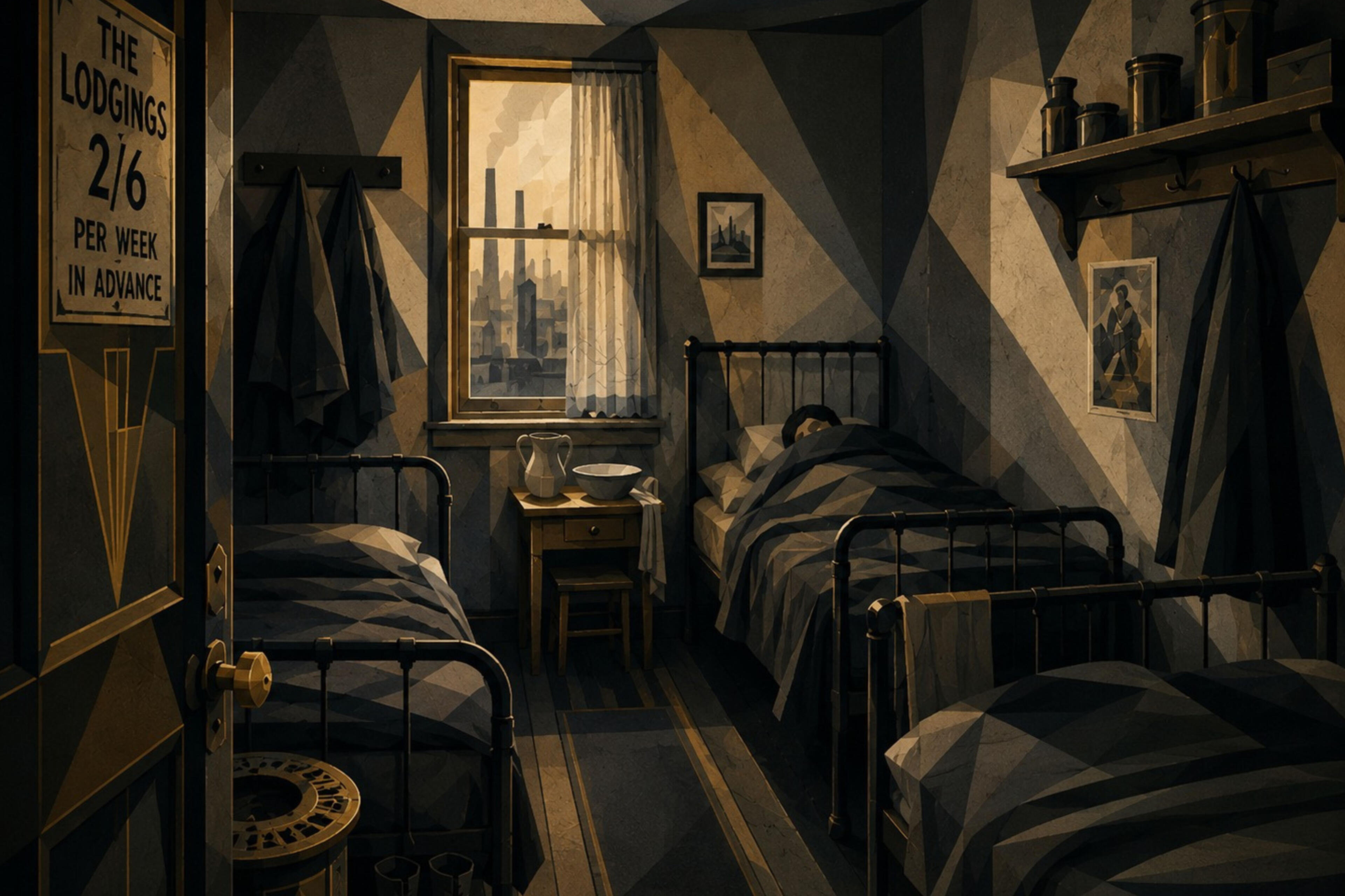
The Lodgings (Northern Deco)Olive James chose not to depict Blackpool’s promenade or illuminations. Instead, she turned her attention to the rented room shared by Betty and Deborah, with its iron bedsteads, sparse furniture and few personal possessions.The sharp angles of the walls and bedclothes divide the confined space into shifting areas of light and shadow. Beyond the window, Blackpool is reduced to a distant skyline, separating the town experienced by its seasonal workers from the resort presented to its visitors.It suggests lives governed by conflicting hours: one woman returning as the other leaves, with the room occupied continuously but rarely shared.Available exclusively through FCSF, this artistic interpretation is available unframed on 240 gsm art paper and measures 20 x 16 inches.
What did the critics think?
Upon release, The Lodgings received generally favourable reviews, particularly from critics along the Fylde coast.The West Lancashire Evening Gazette welcomed its attention to the people working behind Blackpool’s summer attractions:“The resort is recognisable, though not always flatteringly so. Crimea Street Films has found a worthwhile story beyond the promenade, where summer is a livelihood rather than a holiday.”The Thornton-Cleveleys Times praised Carol Lonsdale’s performance while expressing reservations about the central romance:“Miss Lonsdale gives Betty considerable warmth and makes her pretence understandable, even when the young man at the centre of it scarcely seems worth the trouble.”Films and Filming admired the contrast between Blackpool’s public and private worlds:“Its best scenes belong not to the crowded ballrooms but to the return afterwards: borrowed clothes removed, wages counted and another working day only hours away.”The Daily Herald found the film less convincing:“An observant and attractively photographed picture, though its leisurely middle section sometimes mistakes repetition for insight.”The Lodgings performed respectably during its initial release, with particularly strong bookings across Lancashire. It was not regarded as a major Crimea Street production, but Carol Lonsdale’s performance and the unusual treatment of Blackpool attracted consistent praise.
From the archive
Among Carol Lonsdale’s papers was a copy of the screenplay containing several handwritten corrections to Betty’s working hours.Beside one scene beginning, “After a leisurely breakfast,” Lonsdale had written:
“Not if she works in the hotel.”
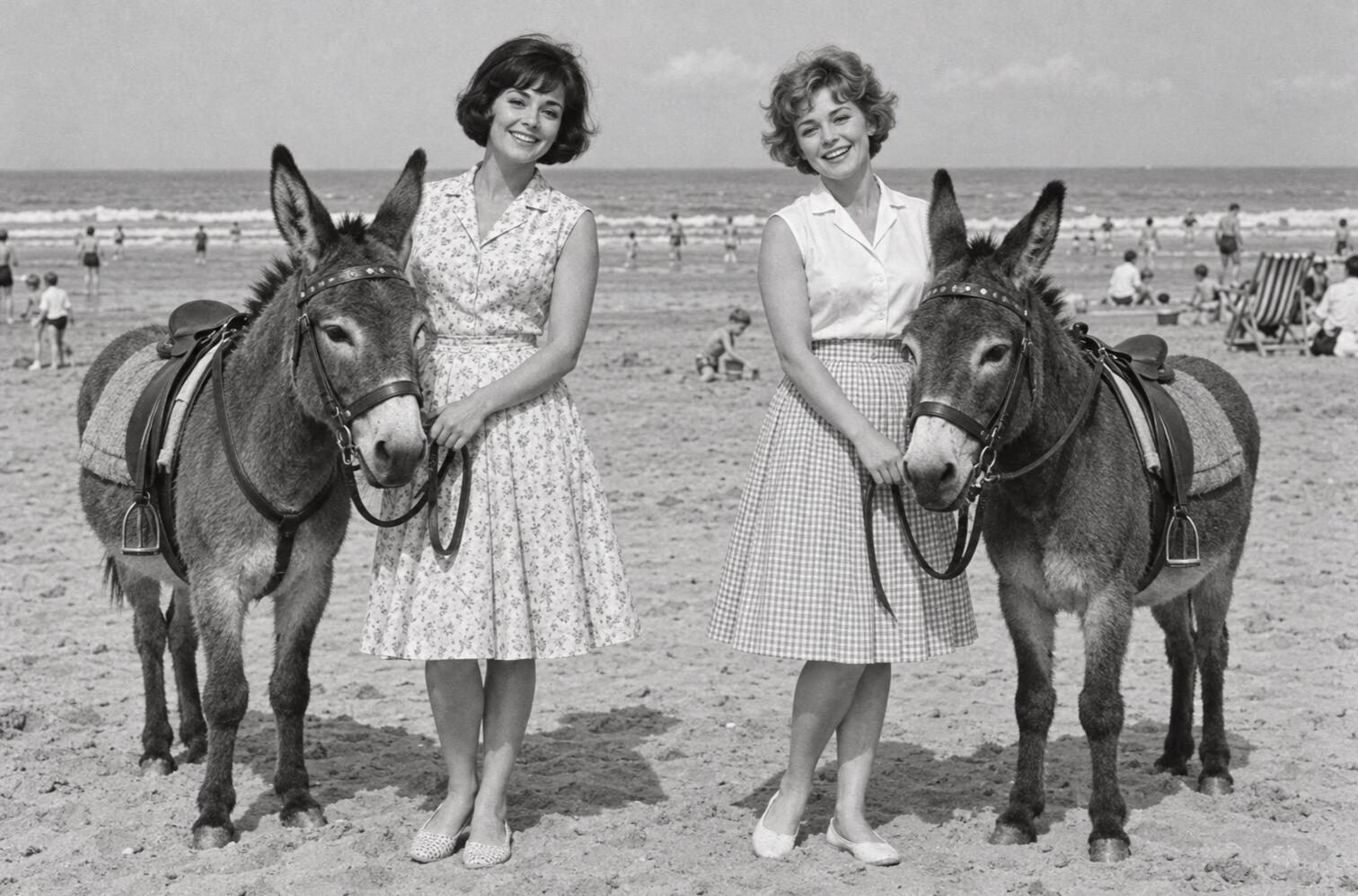
Publicity shot from the archive
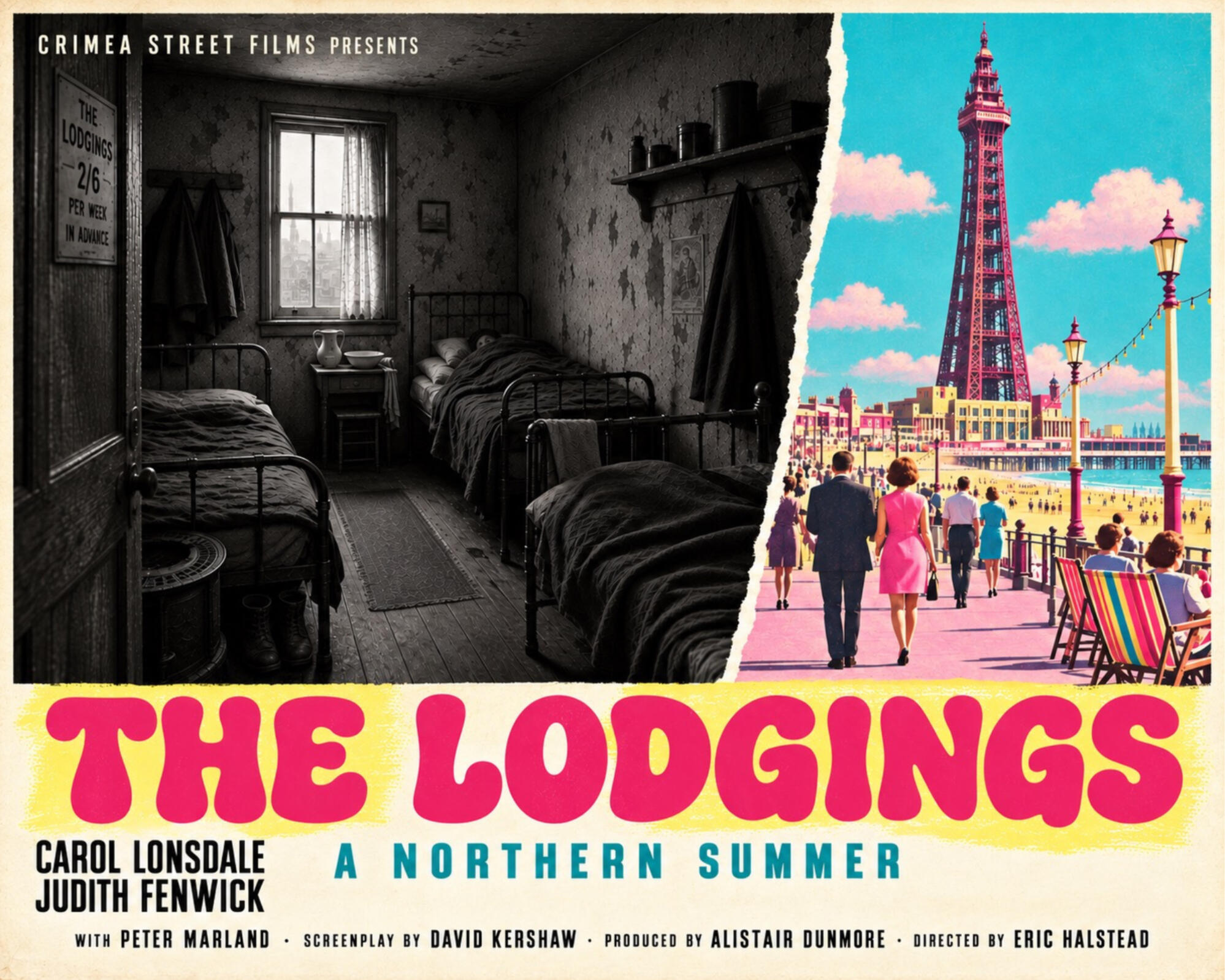
The artwork of Reg Baines
The original posters created by Reg Baines are synonymous with the studio and are very much part of its history.They would have been seen throughout the North of England outside cinemas, on hoardings and in places such as train stations.Most of them were damaged in a fire at the studio in late 1966, but we are delighted to now work with Parbold-based artist Brian Astley.Each poster is faithfully reproduced on 240 gsm art paper and available unframed in its original 20 × 16-inch landscape format.
Further Exploration
Discover the other films we focus on this month and come back soon for a new selection.